





Autonomous trucks mean so much more than driverless.
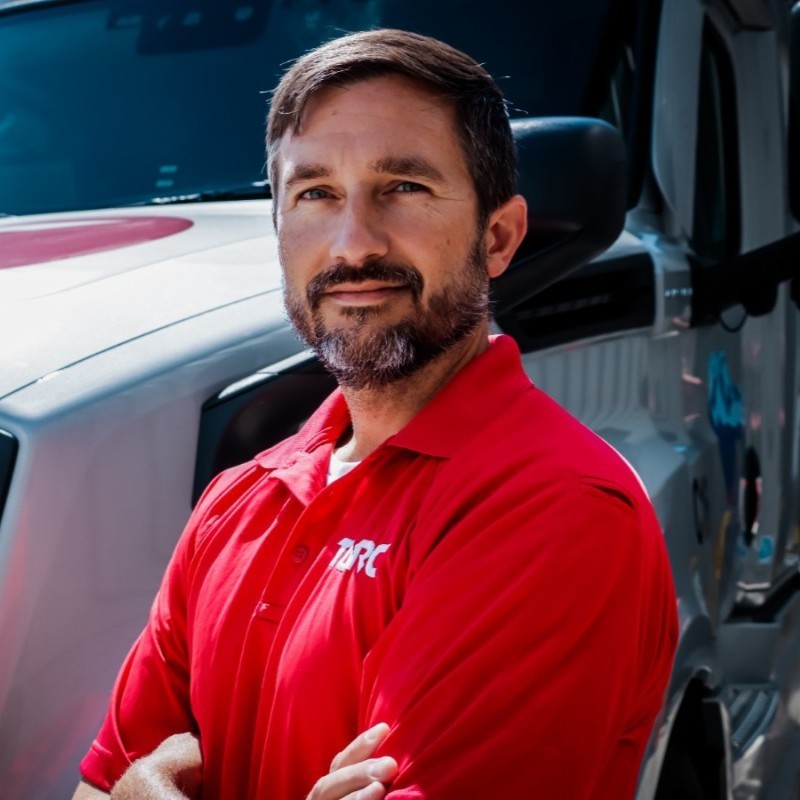
Nick Elder, VP of Commercialization at Torc Robotics, joins The Fleet to explain what has to be true before autonomy becomes something fleets can actually use. He breaks down why Level 4 requires a fundamentally different safety architecture, what happens when sensors and autonomous systems need repair or recalibration, and why removing the driver does not remove all the work a driver was doing.
The conversation also explores how autonomy could fit into existing freight networks, where it may not make economic or operational sense, and what new opportunities could emerge once fleets begin operating autonomous assets at scale.
What you'll learn
- Why “first to market” isn’t the real win in autonomous Class 8, and what fleets will actually care about instead
- Why Level 4 autonomy is a complete redesign, not just an upgrade from Level 3
- What has to happen when there’s no human fallback for braking, steering, service or failure
- Why removing the driver doesn’t remove all the work the driver was doing
- What Torc’s fleet advisory council keeps pushing hardest on, from TCO to operational fit
- Why the original hub-to-hub model had to evolve to fit existing freight networks better
- What fleet managers should start auditing now to understand where autonomy could actually work
- Why autonomy may improve more than utilization, including cleaner data for maintenance and operational optimization
- Why autonomous trucking still won’t make sense for every route, facility or fleet
- Why truck driving can remain a long-term career even as autonomous freight expands
Connect
Sponsor
This episode is sponsored by Element Fleet Management.
If your organization depends on a fleet of vehicles, it's time to think about your fleet as a strategic asset. Learn more at elementfleet.com.
Chapters
0:00 Why Driverless Trucks Change More Than Driving
1:26 Meet Nick Elder and Torc Robotics
2:41 Why Torc Isn’t Racing to Be First
4:04 From DARPA to Autonomous Class 8 Trucks
8:09 What Level 4 Autonomy Means
23:12 Why Level 4 Requires a Different System
25:51 The Safety Promise of Autonomous Trucks
28:04 Why Class 8 Long-Haul Comes First
29:48 The Business Case for Autonomous Trucking
31:35 Will Autonomous Trucks Replace Drivers?
34:38 What Fleets Actually Want From Autonomy
37:07 Why the Hub-to-Hub Model Changed
40:43 Where Autonomous Trucking Actually Fits
45:39 What Truck Drivers Do Besides Driving
50:13 How Fleets Should Prepare for Autonomy
51:56 New Fleet Models Autonomy Could Enable
55:00 What’s Next for Torc Robotics